
NS RCMP
Anti-racism committee announced during No. 2 Construction Battalion commemoration
By Griffin Bjerke-Clarke,
Trident Staff
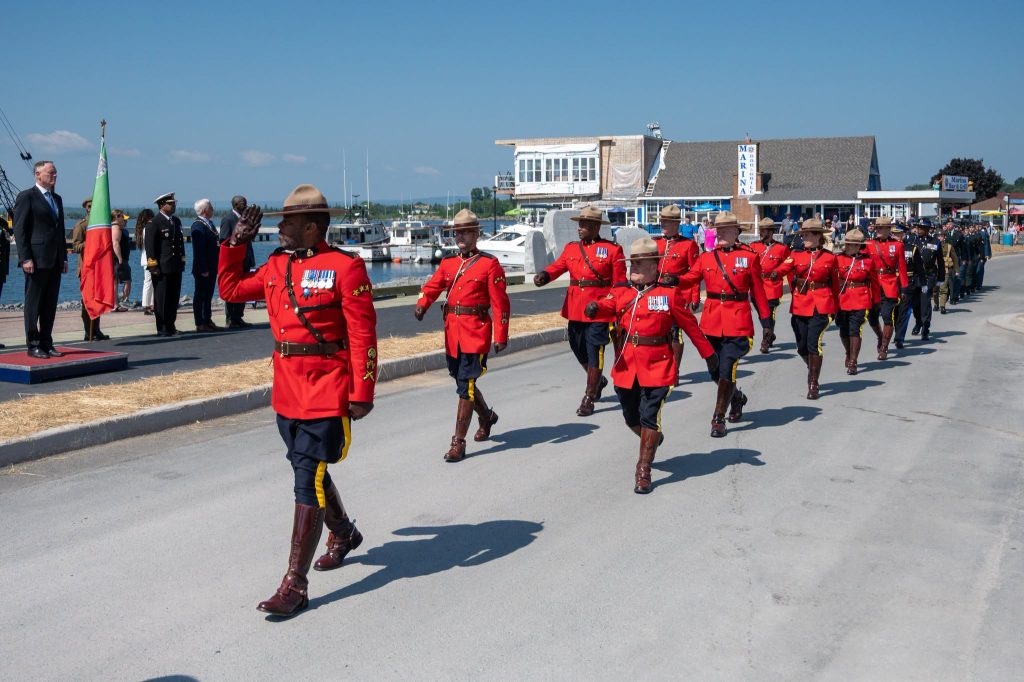
Members of the defence team joined local community and government officials for an annual remembrance ceremony at St. Andrews Presbyterian Church in Pictou on July 4. The event honoured the contributions of the No. 2 Construction Battalion, Canada’s only all-Black military unit.
The ceremony was followed by a parade to recognize the sacrifice and dedication of the men who served in the battalion during the First World War, where they played a significant role in the Canadian war effort during the height of the conflict.
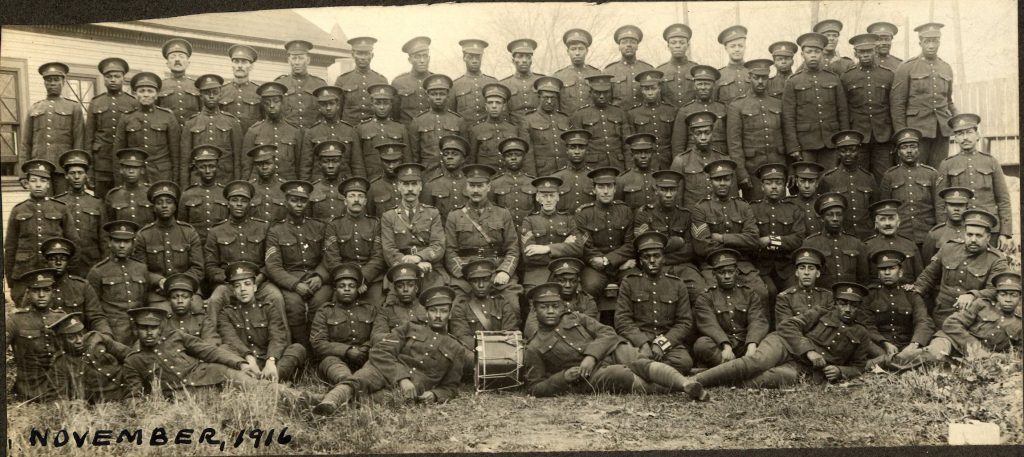
The No. 2 Construction Battalion was a segregated, non-combatant unit that served from 1916 to 1920.
July 5 marked the 110th anniversary of the battalion’s formation in Truro, Nova Scotia.
During the event, Minister of National Defence David McGuinty announced the establishment of a new federal Anti-Racism Advisory Committee, reflecting a commitment to address historical racism and ongoing systemic issues.
“The members of this Advisory Committee bring a wealth of experience, expertise, and perspectives that reflect the diversity and strength of Black communities across Canada,” said McGuinty. “This Committee represents an important step in our ongoing commitment to building a stronger, more inclusive institution—one where every member can serve, contribute, and succeed in a workplace free from harassment, racism, discrimination, and bias.”
The committee will provide independent guidance to defence team members and leaders to address anti-Black racism within the Canadian Armed Forces (CAF).
The ceremony was attended by descendants of the No. 2 Construction Battalion.
The history of the unit was omitted from official Canadian accounts for decades, with the absence of a war diary often cited as an explanation. Keynote guest speaker and Black Nova Scotian historian Sean Foyn, also a member of the newly established Advisory Committee, challenged the narrative during his remarks. He argued that the experiences of the men themselves should have been enough to preserve the battalion’s place in Canadian history.
“This history must have been living with the men of the No. 2 Construction Battalion. People come back from all kinds of experiences, and they talk about those experiences,” he said.
The battalion endured turbulent weather, frequent disease outbreaks, and rampant racism while completing demanding forestry work under harsh conditions during their deployment. Twenty-nine men from the unit lost their lives in these conditions.
Speakers at the ceremony also spoke to the indignities the battalion endured, including a racially motivated incident within the Canadian Expeditionary Force in 1919. More broadly, the men received little recognition when they returned home, and the battalion was quietly disbanded in 1920 as the Canadian Expeditionary Force itself was dissolved.
Foyn said family stories and photographs hidden in drawers and attics were central to the eventual recognition of the history.
“The pictures and the stories that started coming off the mantelpieces and people associating them with names—it’s just absolutely remarkable,” he said.
The first official event commemorating the contributions of the No. 2 Construction Battalion was held in 1982—a reunion of surviving Black First World War veterans. The reunion was organized by Calvin Ruck, a Nova Scotia human rights activist who spent years researching the battalion’s history and later wrote the definitive book on its story, The Black Battalion: 1916-1920, Canada’s Best-Kept Military Secret.
Since then, several dedications have been made to the battalion and the members who lost their lives, including a new building at Camp Aldershot named the Private Frederick L. Landsay and Private James E. Landsay Building, in memory of two brothers who served in the unit.
In July of 2022, the federal government formally apologized to family members for the battalion’s mistreatment before, during and after the war.
“By learning from our history and listening to the voices and experiences of Black communities, we can help build institutions that are more inclusive, equitable, and reflective of the values Canadians aspire to uphold,” said Russell Grosse, Chief Executive Officer of the BCCNS.