
Updated guide supports military-connected children and youth
By DND
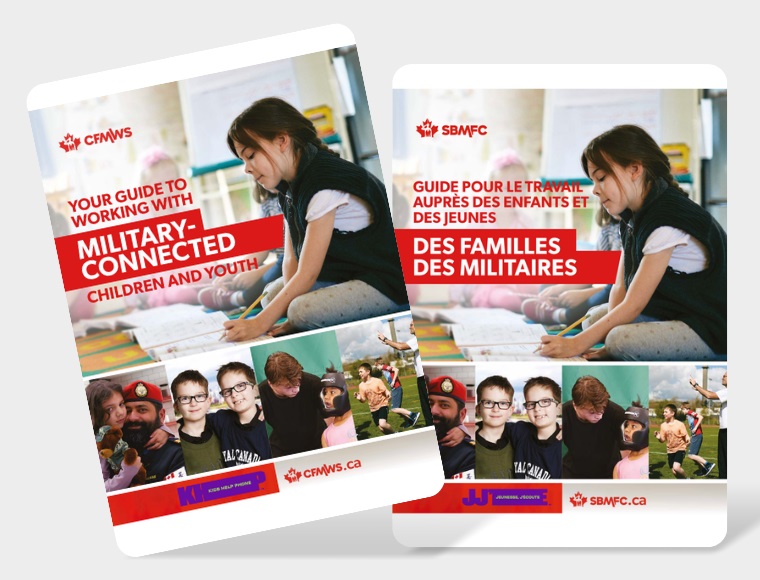
Canadian Forces Morale and Welfare Services (CFMWS), in partnership with Kids Help Phone, has released an updated Guide to Working with Military-Connected Children and Youth.
The guide offers practical, evidence-informed tools to help those working with military-connected children and youth better understand and respond to their unique experiences. It is intended for professionals and caregivers across Military Family Resource Centres (MFRCs), schools, childcare settings, community organizations, and within CFMWS.
Understanding a unique experience
Military-connected children and youth experience frequent relocations, parental deployments, and ongoing transitions. These experiences can build adaptability and resilience, but they can also create challenges related to social connections, emotional well-being, and continuity in education.
The updated guide supports the development of military literacy by increasing awareness of military family life and its impact on children and youth.
Practical tools for everyday support
The guide provides actionable strategies that can be applied in daily interactions. It highlights ways to support children and youth through transitions, foster a sense of belonging, and create supportive environments where they can succeed.
The resource helps professionals deliver consistent and informed support across settings.
Reaching communities in Canada and abroad
The guide is being shared across CFMWS platforms and with partners to support broad access and adoption. MFRC staff, educators, and service providers are encouraged to integrate the guide into their work.
It also supports OUTCAN communities, where families may face additional challenges related to distance, access to services, and integration into new environments.
Supporting awareness and adoption
This initiative aims to increase awareness of the needs of military-connected children and youth and promote the use of tools that support their well-being and development.
By building a shared understanding of the military lifestyle, communities can better support military-connected children and youth and help them thrive wherever they are located.