
Fire safety upgrade supports MARLANT sweat lodge ceremonies
By Griffin Bjerke-Clarke,
Trident Staff
2LT SAIF MORSY
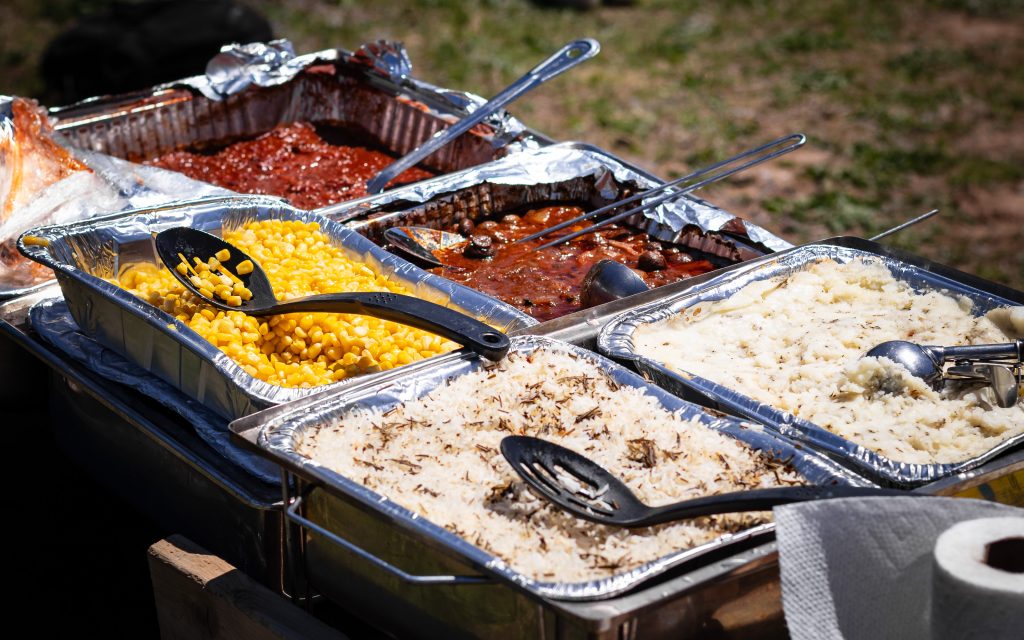
On the coast of Morris Lake on the north side of 12 Wing Shearwater, civilians, local Maritime Forces Atlantic (MARLANT) members, veterans and community members gather for a ceremony and a traditional feast.
May 22 marked the largest attendance of a sweat lodge to date with 26 participants of both community and military members.
The bi-weekly sweat lodge, facilitated by local elders, knowledge keepers and volunteers from the Atlantic Defence Indigenous Advisory Group (ADIAG) in collaboration with the Mi’kmaq Native Friendship Centre (MNFC) is a place for healing and connection within the Canadian Armed Forces (CAF).
“Part of our mandate is to ensure that all Indigenous personnel in MARLANT feel like they belong and that services that they would have in their community are also offered in their local area where they’re posted,” says ADIAG civilian co-chair Patrick Lavigne.
The MARLANT sweat lodge ceremonies date back to 1974 when permission was obtained to hold sweats on MacDonald Beach. Publicity at the time was spread solely by word of mouth and largely kept to a small group who mostly supplied and maintained the sweats independently.
“Over the years they brought their own medicines, their own wood—as a community, the groups that would show up” says Lavigne. “They would basically share everything that they would bring to host the sweat together as a group. Things have changed over the years and now it is funded by the military and supported by the military. The firewood, the equipment required, the medicine is all supplied by the military. It’s really nice to see the support directly from the Admiral down.”
Thanks to the efforts of ADIAG Military Co-Chair, Chief Petty Officer 2nd Class Cheyanne Delaronde, a Standard Operating Procedure (SOP) was created to satisfy fire regulations, as well as traditional teachings, following the wildfires of 2023 and the 90-day drought of summer 2025.
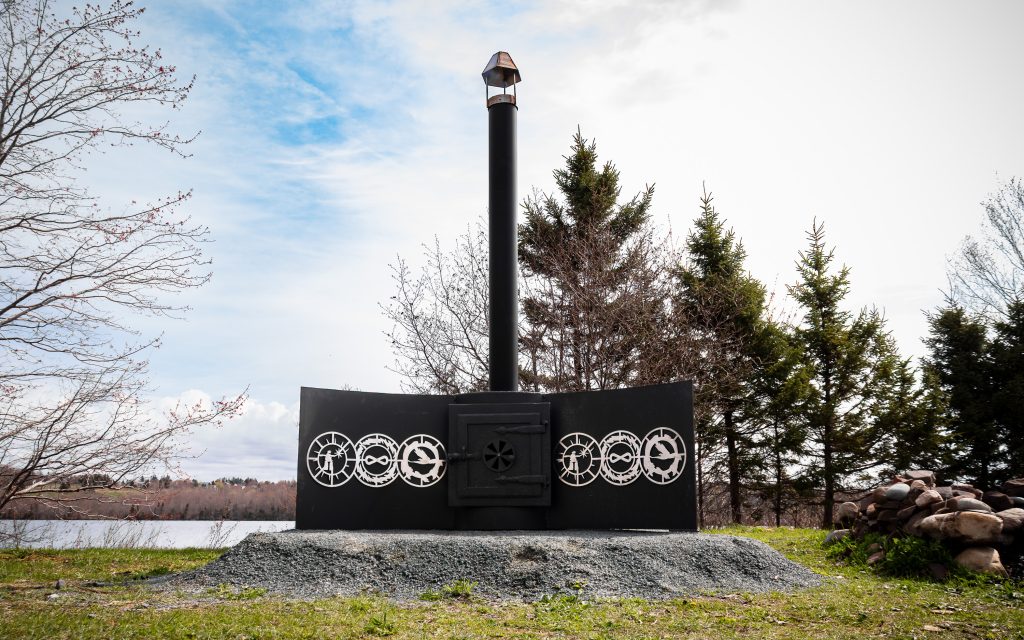
Recent sweats marked the first use of a new containment unit designed to keep ceremonial fires burning safely throughout the season, meeting both provincial and federal fire regulations.
The sweats play a vital role in fostering a link to culture and tradition.
“There are a number of people that are Indigenous but were not exposed in their community to their cultures for various reasons,” says Lavigne.
Until 1951, sweat lodges were banned by law in Canada under the Indian Act, often creating ruptures in the teaching of traditional knowledge compounded by the lasting impact of residential schools. For many participants—both Indigenous and non-Indigenous—the gatherings at Shearwater mark their first time taking part in a sweat lodge.
All are welcomed and encouraged to participate, regardless of their exposure to the cultural practice of the sweat lodge. The sweat lodge is an all-inclusive ceremony, open to military members, military families, civilians and community members and are hosted on a bi-weekly basis with next scheduled for June 28.
For more information on sweat lodge ceremonies and other ADIAG initiatives, reach out to halifax.diag@forces.gc.ca.